
The Science Inside - Enduro
Find out about the science inside our Enduro mint, below:
Caffeine
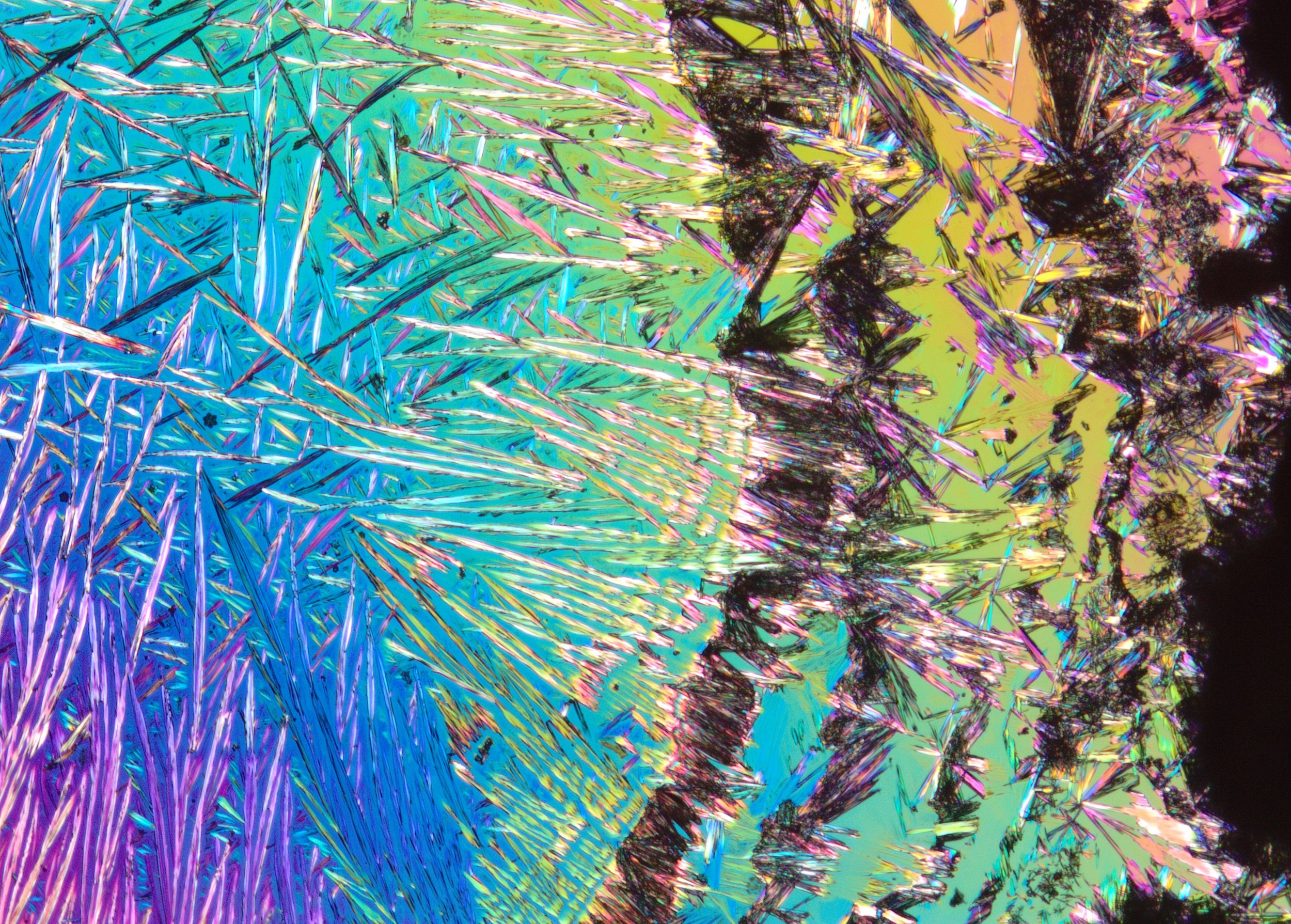
Caffeine is one of the most extensively researched ergogenic aids in sport science. It acts primarily as an adenosine receptor antagonist, reducing inhibitory signalling in the central nervous system and increasing neural drive, alertness and arousal (Spriet, 2014).
Performance Effects:
Endurance Performance
Meta-analyses consistently demonstrate improvements in time-to-exhaustion and time-trial performance following caffeine ingestion, typically in the range of 2–4% in trained athletes (Southward et al., 2018; Grgic et al., 2020).
High-Intensity Output
Caffeine enhances repeated sprint ability and high-intensity efforts lasting 1–7 minutes, with mechanisms likely involving increased motor unit recruitment and calcium release from the sarcoplasmic reticulum (Doherty & Smith, 2005).
Reduced Rating of Perceived Exertion (RPE)
One of caffeine’s most powerful performance mechanisms is perceptual. Studies consistently show lower RPE at a given workload (Doherty & Smith, 2005), meaning the same intensity feels easier — allowing athletes to sustain higher outputs.
Effective Dose:
Ergogenic effects are typically observed at 2–6 mg/kg body mass, with diminishing returns above ~6 mg/kg (Spriet, 2014).
L-Theanine
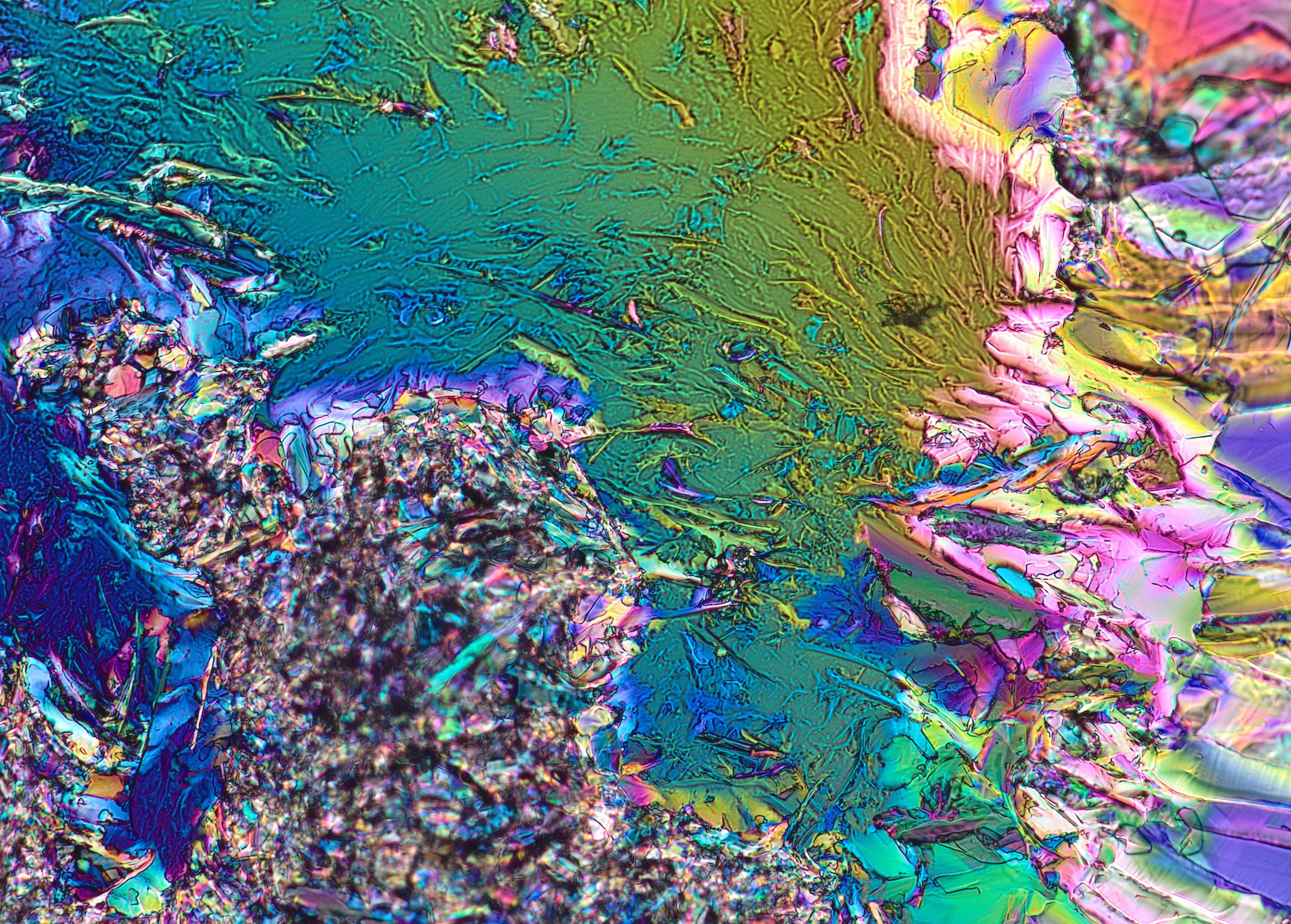
L-Theanine is a non-proteinogenic amino acid naturally occurring in tea. Unlike stimulants, it promotes alpha brainwave activity, associated with calm alertness (Nobre et al., 2008).
Mechanism of Action:
Modulates glutamate receptors
Increases GABA activity
May reduce stress-related sympathetic activation
Performance Relevance:
When co-ingested with caffeine, L-theanine appears to:
Improve attention switching
Enhance working memory accuracy
Reduce subjective jitteriness
Improve reaction time consistency
A controlled trial by Zaragoza et al. (2019) demonstrated improved speed and accuracy of attention tasks when caffeine was combined with L-theanine compared with caffeine alone.
For sport, this matters in:
Decision-heavy environments
Intermittent team sports
High-pressure endurance events
The synergy may allow athletes to experience the arousal benefits of caffeine without excessive overstimulation.
Menthol
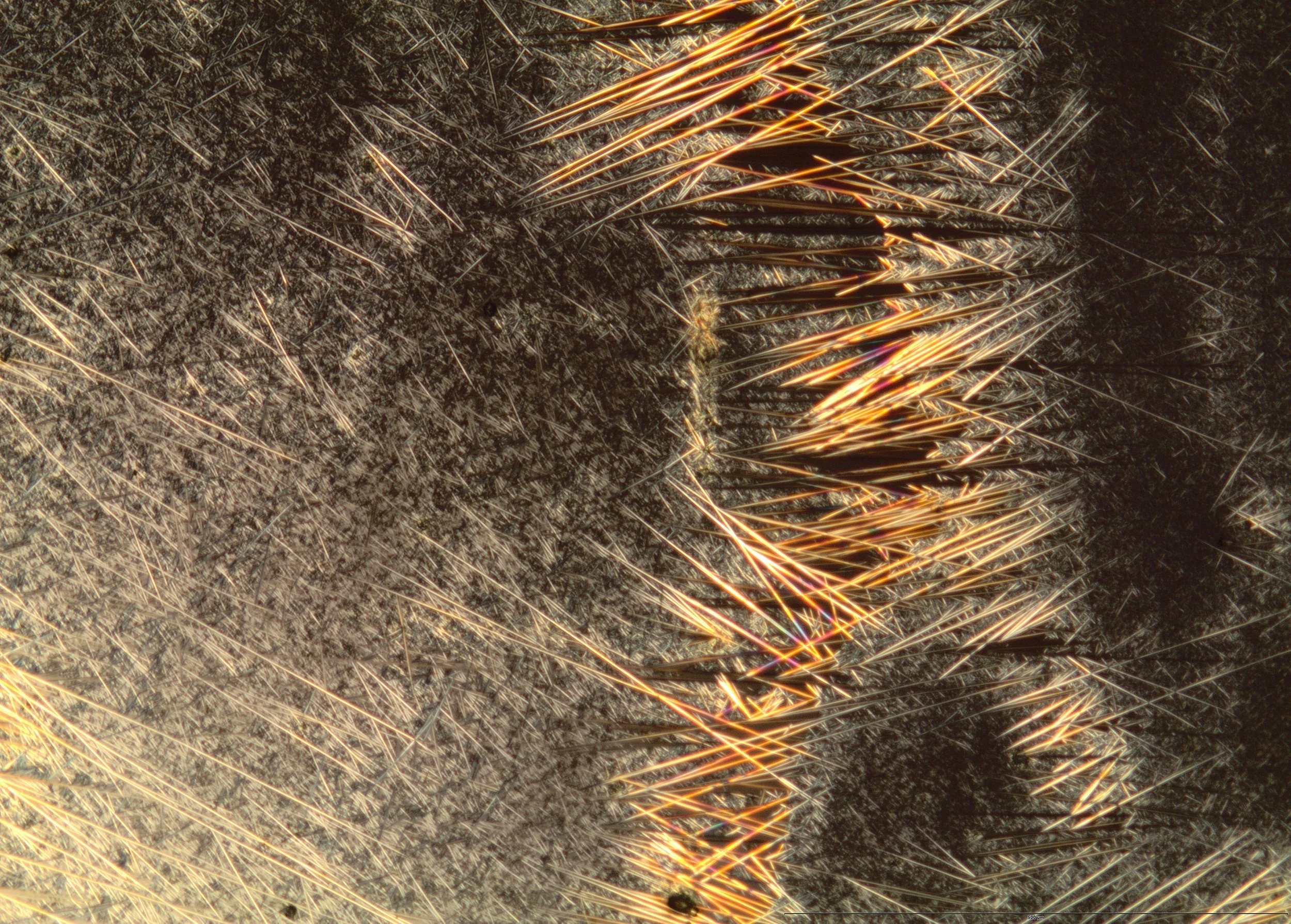
Menthol activates TRPM8 receptors in the oral cavity, producing a cooling sensation that alters central processing of thermal stress (Dillon et., 2022). “The idea of menthol use in sport and exercise has been borrowed largely from respiratory medicine. Research into the pharmaceutical effects of menthol began in the late 19th century with a handful of researchers espousing its benefits in the treatment of respiratory conditions associated with tuberculosis”.
Why This Matters in Performance:
In endurance sport, researchers have extended this understanding by applying menthol mouth rinsing and other menthol-based strategies during exercise in hot conditions. Performance benefits have been most consistently observed in continuous endurance events lasting approximately 20–70 minutes. To date, intermittent protocols designed to mimic team sports have shown little to no ergogenic effect.
Emerging work also highlights the importance of timing. While many studies have used repeated doses throughout exercise, newer evidence suggests that applying menthol closer to the onset of fatigue may extend time to exhaustion. This raises important considerations around strategic, fatigue-targeted dosing rather than uniform application.
Concentration is another key variable. Current recommendations typically range between 0.01–0.1%, allowing for personalised strategies based on individual tolerance and sensory response (Best et al., 2018).
In hot or high-intensity environments, fatigue is partly driven by rising thermal discomfort. Menthol mouth rinsing has been shown to:
• Enhance thermal comfort and reduce thermal sensation (Stevens et al., 2017)
• Lower ratings of perceived exertion in hot conditions (Stevens et al., 2017)
• Extend time to exhaustion when applied near fatigue onset (Jeffries et al., 2018)
Physiologically, menthol appears to alleviate sensations associated with breathlessness or laboured breathing. This can prompt a compensatory increase in ventilation, without increasing the oxygen cost of exercise. In practical terms, athletes report feeling less hot and better able to tolerate thermal strain.
Collectively, these perceptual changes may enable athletes to sustain higher exercise intensities. Rather than altering metabolic capacity, menthol seems to act via a central, perceptual mechanism, reducing the subjective threat posed by heat stress and delaying the point at which effort feels unsustainable. This aligns directly with Novamint’s delivery format: oral cavity activation with rapid sensory impact.
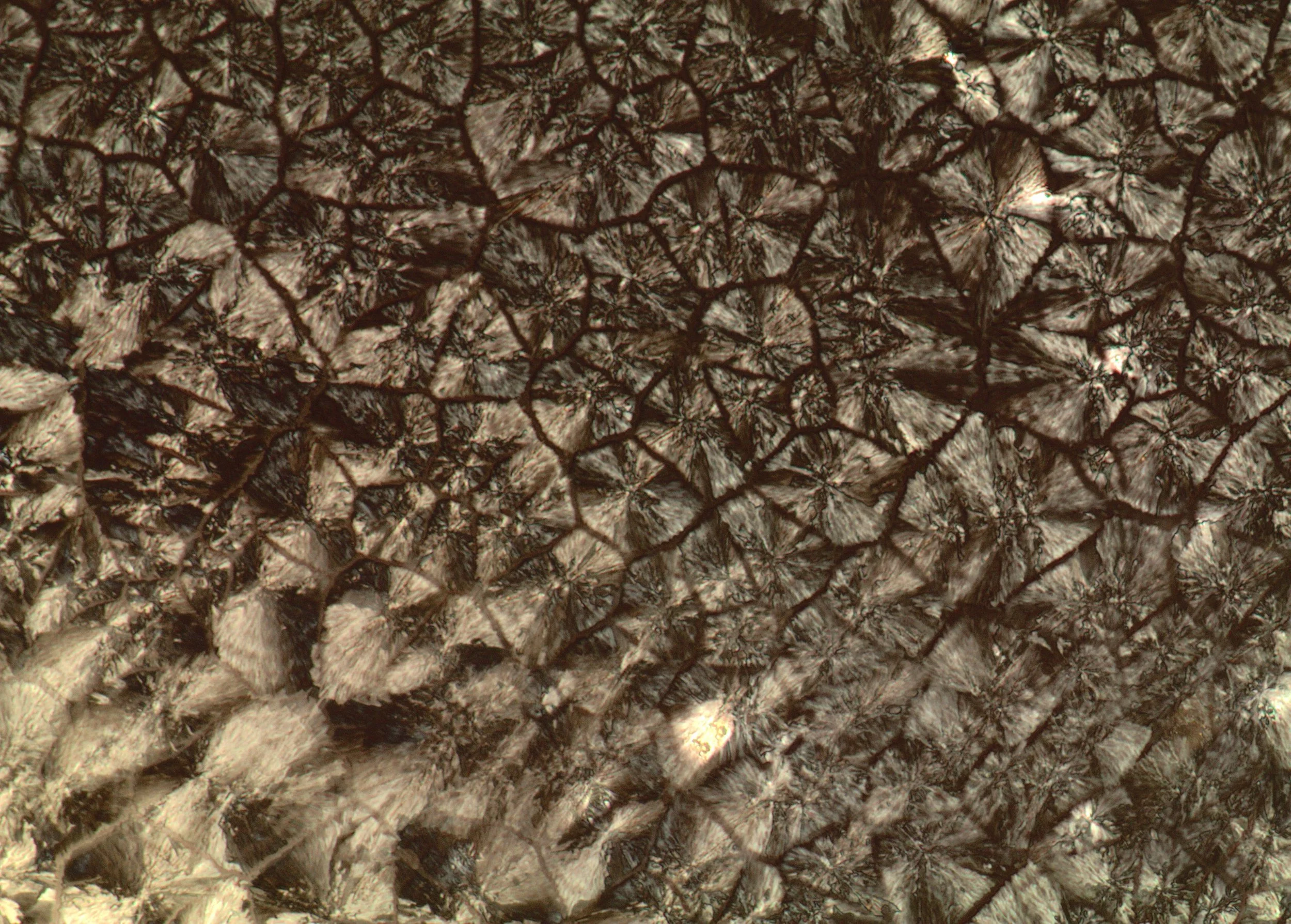
B-Vitamin Complex
Vitamin B1 - Thiamine:
Essential for carbohydrate metabolism via its role in pyruvate dehydrogenase and the Krebs cycle.
Thiamine deficiency reduces aerobic capacity and increases fatigue (Woolf et al., 2017).
Vitamin B2 -Riboflavin:
Precursor to FAD and FMN — critical in electron transport chain reactions.
Supports mitochondrial oxidative metabolism and redox balance.
Vitamin B6 - Pyridoxal 5'-phosphate (PLP) monohydrate:
Required for:
Amino acid metabolism
Neurotransmitter synthesis (dopamine, serotonin)
Glycogen phosphorylase activity
May indirectly support central drive and substrate utilisation.
Vitamin B12 - Methylcobalamin:
Essential for:
Red blood cell formation
DNA synthesis
Neurological function
B12 deficiency is associated with fatigue and impaired oxygen transport capacity.
Why all this matters in Enduro?
Enduro is engineered around three performance domains:
Energy Availability – Caffeine + metabolic cofactors
Cognitive Focus – Caffeine + L-Theanine synergy
Perceptual Load Reduction – Menthol-mediated thermal modulation
The goal is not stimulation for its own sake. It is enhanced output at a lower perceived cost, with improved bioavailability and better absorption of active ingredients.
References:
Best, R., Spears, I., Hurst, P. and Berger, N. (2018) ‘The development of a menthol solution for use during sport and exercise’, Beverages, 4(2), pp. 44–10. doi:10.3390/beverages4020044.
Costill, D.L., Dalsky, G. and Fink, W.J. (1978) ‘Effects of caffeine ingestion on metabolism and exercise performance’, Medicine & Science in Sports, 10(3), pp. 155–158.
Doherty, M. and Smith, P.M. (2005) ‘Effects of caffeine ingestion on rating of perceived exertion during and after exercise: a meta-analysis’, British Journal of Sports Medicine, 39(11), pp. 820–825. doi:10.1136/bjsm.2005.018539.
Dillon GA, Lichter ZS, Alexander LM. Menthol-induced activation of TRPM8 receptors increases cutaneous blood flow across the dermatome. Microvasc Res. 2022 Jan;139:104271. doi: 10.1016/j.mvr.2021.104271. Epub 2021 Oct 28. PMID: 34717968; PMCID: PMC8791073.
Grgic, J., Trexler, E.T., Lazinica, B. and Pedisic, Z. (2020) ‘Effects of caffeine intake on muscle strength and power: a systematic review and meta-analysis’, Journal of the International Society of Sports Nutrition, 17(1), p. 23. doi:10.1186/s12970-020-00378.
Zaragoza, J. et al. (2019) ‘Effects of acute caffeine, theanine and tyrosine supplementation on mental and physical performance in athletes’, Journal of the International Society of Sports Nutrition, 16(1). doi:10.1186/s12970-019-0326-3.
Jeffries, O., Waldron, M. and Goldsmith, M.. (2018) ‘L-Menthol mouth rinse or ice slurry ingestion during the latter stages of exercise in the heat provide a novel stimulus to enhance performance despite elevation in mean body temperature.’. European Journal of Applied Physiology, 118(11), pp. 2435-2442.doi: 10.1007/s00421-018-3970-4
Woolf K, Manore MM. B-vitamins and exercise: does exercise alter requirements? Int J Sport Nutr Exerc Metab. 2006 Oct;16(5):453-84. doi: 10.1123/ijsnem.16.5.453. PMID: 17240780.
Kennedy, D.O. (2016) ‘B-vitamins and the brain: mechanisms, dose and efficacy — a review’, Nutrients, 8(6), p. 313. doi:10.3390/nu8060313.
Nehlig, A., Daval, J.L. and Debry, G. (1992) ‘Caffeine and the central nervous system: mechanisms of action, biochemical, metabolic and psychostimulant effects’, Brain Research Reviews, 17(2), pp. 139–170. doi:10.1016/0165-0173(92)90012-B.
Nobre AC, Rao A, Owen GN. L-theanine, a natural constituent in tea, and its effect on mental state. Asia Pac J Clin Nutr. 2008;17 Suppl 1:167-8. PMID: 18296328.
Pickering C, Kiely J. Are the Current Guidelines on Caffeine Use in Sport Optimal for Everyone? Inter-individual Variation in Caffeine Ergogenicity, and a Move Towards Personalised Sports Nutrition. Sports Med. 2018 Jan;48(1):7-16. doi: 10.1007/s40279-017-0776-1. PMID: 28853006; PMCID: PMC5752738.
Powers, S.K. and Howley, E.T. (2017) Exercise physiology: theory and application to fitness and performance. 10th edn. New York: McGraw-Hill Education.
Southward K, Rutherfurd-Markwick KJ, Ali A. The Effect of Acute Caffeine Ingestion on Endurance Performance: A Systematic Review and Meta-Analysis. Sports Med. 2018 Aug;48(8):1913-1928. doi: 10.1007/s40279-018-0939-8. Erratum in: Sports Med. 2018 Oct;48(10):2425-2441. doi: 10.1007/s40279-018-0967-4. PMID: 29876876.
Spriet, L.L. (2014) ‘Exercise and sport performance with low doses of caffeine’, Sports Medicine, 44(Suppl 2), pp. S175–S184. doi:10.1007/s40279-014-0257-8.
Stevens CJ, Taylor L, Dascombe BJ. Cooling During Exercise: An Overlooked Strategy for Enhancing Endurance Performance in the Heat. Sports Med. 2017 May;47(5):829-841. doi: 10.1007/s40279-016-0625-7. PMID: 27670904.